Welcome to the Vanuatu Health Research Portal
Empowering Research for Health Advancement in Vanuatu
Review Committee
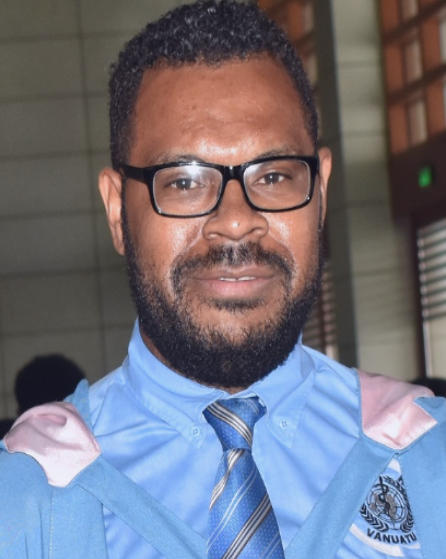
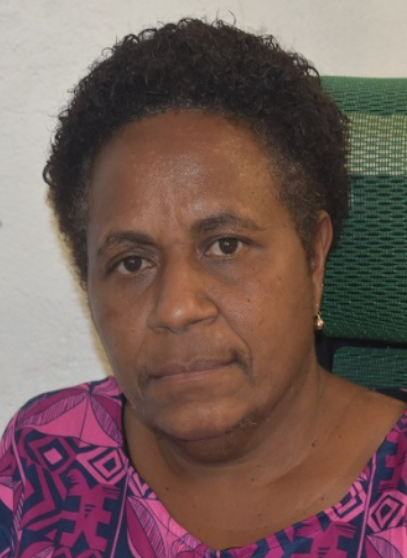
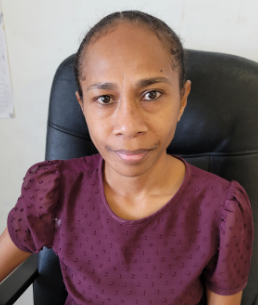
Meet the members of the Vanuatu Health Research Ethics Committee (HREC)




Vanuatu Health Research Guidelines
Information for applicants for the application and review process
1. Background
Introduction
The Vanuatu Health Research Ethics Committee (HREC) has developed the Vanuatu Health Research Ethics Guidelines in for Vanuatu to assist researchers who intend to undertake biomedical, public health or clinical research involving people of Vanuatu or research on issues relevant to the health of Vanuatu's population.
All research with human subjects must undergo review by the Vanuatu HREC Committee and receive written approval before it begins. Regular reporting of project progress is required to maintain currency of ethical approvals.
Purpose
The purpose of this document is to set out the policies and procedures to be used by applicants and by the Vanuatu HREC in relation to research conducted in Vanuatu that involves health data and information, documents, or staff. They cover the processes associated with the approval, management of human health research projects and reporting requirements.
The guidelines are intended to ensure that any research is ethical to be undertaken, of high quality, respects human and cultural values, and is of benefit to the Vanuatu community and is accessible to the health sector and policy makers.
Guiding Ethical Principles
To be ethically acceptable by the Vanuatu HREC, human research must demonstrate the values of research merit and integrity, justice, beneficence and respect inline with the:
- World Medical Association Declaration of Helsinki (2013) revision: https://www.wma.net/...
- International Ethical Guidelines for Health-related Research Involving Humans: https://cioms.ch/...
2. Guidelines
2.1 Review by other research ethics committees
It is the responsibility of the Principal Investigator to identify any other relevant committees that may also need to approve the proposal. Other research committees in Vanuatu that may be consulted include: Vanuatu National Vanuatu Cultural Council, Research and Development Unit (Ministry of Education), Vanuatu Department of Agriculture, National Advisory Board for Climate Change and Disaster Risk Reduction.
2.2 Community Considerations
All health research conducted in Vanuatu should consider the needs and potential impact of the research on individual participants and on the community. The application should demonstrate steps taken to consult with concerned communities and how results will be made available.
2.3 Research with vulnerable populations
Researchers should not exclude participants from research simply because they may be vulnerable. Researchers should provide all potentially vulnerable participants with appropriate support to help them make informed decisions.
2.4 Research instigated by researchers outside of the Vanuatu Ministry of Health
If the project involves Vanuatu Ministry of Health staff or data, written endorsement must be obtained from the Vanuatu Ministry of Health prior to submitting ethics applications. All projects should embed research capacity strengthening opportunities for ni-Vanuatu staff.
2.5 Criteria for exemption from ethical review
A research proposal may be exempted from review when it does not involve human participants, uses publicly available de-identified data, interviews public officials on public issues, observes public behavior, or is limited to public health surveillance.
2.6 Period of approval
Approval is generally provided for a maximum period of 5 years duration, provided all annual reports are submitted.
2.7 Responsibilities of researchers
Research should only commence after approval has been granted. Researchers must submit annual reports, report serious adverse events, and inform the HREC when a study is completed.
2.8 Data ownership
Individuals are the owners of their health data. The Vanuatu Ministry of Health reserves the right to request raw or cleaned data collected as part of a Vanuatu HREC approved project.
3. Application process
Step 1. Ministry of Health endorsement
If the project originates from a researcher not located within the Vanuatu Ministry of Health, relevant Vanuatu Ministry of Health personnel or committees must be consulted with, and the project must be endorsed prior to proceeding to ethical approval application stage.
Step 2. Application form
All new applications should be submitted online using Vanuatu Health Research Online Ethical Review Application Form. The following documents must also be uploaded: MOH endorsement letter, Research protocol, Participant Information and Consent Forms (English, French, Bislama), Additional ethics approvals, Overseas ethical approval.
Step 3. Payment of fees
| Applicant Type | Fee (Vatu) |
|---|---|
| International study for commercial purposes | 30,000 |
| International NGO or research institute-led study | 30,000 |
| Vanuatu-based NGO or research institute-led study | 20,000 |
| MOH staff | No cost |
| Student research (ni-Vanuatu student only) | No cost |
| Amendment or extension (for applications with fees) | 5,000 |
Payments can be made by cash or cheque. Contact wtougen@vanuatu.gov.vu to discuss payment.
Step 4. Review
The Vanuatu HREC seeks to conduct review and decision-making within one month of project submission.
Step 5. Outcome
Potential outcomes include: Approved as submitted, Approved conditionally, Not approved (requires amendments), Rejected.
Step 6. Reporting
Mid-term reports should be provided annually and a final report within 3 months of completion of the report.
Review Process
How the Vanuatu HREC evaluates research proposals
Initial Review
This step involves a preliminary evaluation of the submitted documents to ensure all necessary information is provided.
Detailed Analysis
In this phase, a thorough examination of the documents is conducted to identify any discrepancies or issues.
Final Review
The final review ensures all feedback has been addressed and the documents meet the required standards.
Community Engagement Resources
Resources for International Researchers
These include consent forms and other documents to assist researchers in engaging with Vanuatu communities.
📦 Download Consent Forms (ZIP)Research Directory
Connecting local researchers with featured published papers
Research Priorities
Vanuatu National Health Research Agenda - Complete List
🏠 Family Health
Reproductive, maternal and child health
- Research on why sexual health education and family planning services are not preventing unwanted pregnancies
- Research on underlying drivers of maternal and neonatal mortality (including late presentation)
- Research on the reasons for late presentation for antenatal care (ANC)
- Research on how many unwanted pregnancies occur and expectant mother practices when unwanted pregnancies occur
- Research on new solutions for improving childhood development by integrating childhood development assessment and referral into routine child health visits
Immunisation and vaccine preventable diseases
- Research on solutions to reach and vaccinate children who are not fully immunised
- Research on new solutions to increase cervical cancer screening coverage and access to treatment with a focus on inclusion and equity
- Research on reasons for low uptake of HPV vaccination
- Research on why birth dose coverage of Hepatitis B vaccination is low compared to BCG
- Research on the sequelae of meningitis
Climate change and family health
- Research on water, sanitation and hygiene (WASH) and menstrual hygiene needs during natural disasters (including people with disabilities)
- Research on the impact of climate disasters on routine childhood vaccination coverage
- Research focus on assessing the impact of climate change on health and nutritional needs of school-aged children and adolescents: challenges and adaptive strategies
- Research into the best way to ensure continuity of ANC during health emergencies
- Research on maternal nutrition challenges due to climate-related food shortages
- Research on the effectiveness and feasibility of micronutrient powder interventions (MNP) before and during disasters
- Research into the minimum standards at emergency evacuation centres for Reproductive, Maternal, Newborn, and Child Health (RMNCH)
- Research into access to contraception during emergencies: barriers, needs and gaps
- Research on infrastructure solutions to maintain maternal health service access during climate events
- Research on climate-induced stress, anxiety and depression in pregnant/postpartum women
🦠 Communicable Diseases
Antimicrobial resistance (AMR), environmental health and One Health
- Research on solutions to reduce AMR in the community and in health facilities
- Research on the prevalence of AMR in different pathogens and the associated burden of mortality and adverse health outcomes
- Research on human antibiotic consumption practices and their implications for AMR
- Research on One Health risk factors (animal, human and environmental) for AMR emergence
- Research on knowledge, attitudes and practices relating to leptospirosis among the population
HIV, STIs and blood borne virus
- Research to measure the true burden of HIV and others STIs
- Research on solutions for providing hepatitis B screening and treatment in remote settings
- Research on the burden of syphilis and resulting morbidity and mortality, including among infants
- Research on the sexual health needs and care seeking-behaviours of seasonal workers from Vanuatu in Australia and New Zealand while overseas and on return
- Research on the burden of hepatitis B among children and the general population
Neglected tropical diseases
- Research on the burden of rheumatic heart disease
- Research on the gaps and barriers to timely notification, reporting and investigation of diseases, especially for notifiable diseases and neglected tropical diseases
- Research on the burden of neglected tropical diseases including the impact of climate on neglected tropical disease burden
- Research on community and health worker knowledge, attitudes, practices and behaviours relating to neglected tropical diseases, including how these have been affected by health promotion and health campaigns
- Research on how integrated neglected tropical disease programmes affect access to care, service delivery, and health outcomes in targeted communities
TB
- Research on the challenges in finding drug-resistant TB cases
- Research on barriers and enablers for effective TB contact investigation and uptake of preventive therapy
- Research on the burden of TB and the determinants of TB transmission
- Research on why there are low rates of TB treatment adherence
Vector-borne diseases
- Research on changes in malaria burden and transmission due to climate change
- Research on knowledge, attitudes and practices relating to malaria among the population
- Research on safe, acceptable solutions for achieving radical cure for patients with Vivax malaria
- Research on solutions for decentralising malaria elimination interventions from provinces to health facilities
- Research on the effectiveness of implementation of long-lasting insecticide treated nets and indoor residual spraying in controlling malaria
Climate change and communicable diseases
- Research on how climate shocks impact access to HIV prevention services for people experiencing gender-based violence
- Research focus on investigating the hidden HIV risk and surveillance gaps amid climate vulnerabilities
- Research on factors that strengthen the resilience of HIV testing services in the face of climate disasters
- Research on understanding the influence of climate and cultural barriers to condom use among adolescents
- Research on evaluation of predictive models for disease outbreaks using climate data
- Research that integrates meteorological and health information to support real-time disease surveillance
- Research on epidemiological modelling of disease outbreaks in relation to climate variability
- Research on mapping disease hotspots in relation to climate trends and extreme events
- Research on how changing temperatures and rainfall patterns affect the spread of vector-borne, water-borne, food-borne and neglected tropical diseases
- Research focus on mapping climate responsive management of mosquito breeding sites in Vanuatu
❤️ Non-Communicable Diseases
Mental health and neurological conditions
- Research on morbidity and mortality due to marijuana use and the factors that influence substance use
- Research on the prevalence and burden of mental illness
- Research on solutions for early recognition and diagnosis of stroke
- Research on the burden and effect of conditions that are comorbid with stroke
- Research on the health burden of epilepsy and the risk factors for deaths relating to epilepsy
Non-communicable diseases (NCDs)
- Research on lifestyle changes and trends that affect the prevalence of NCDs in different groups
- Research on what NCD services can feasibly be provided at different levels of the health care system
- Research on referral and follow-up practices and their implications for appropriate care for NCDs
- Research on whether and why people do not take their medications to control NCDs
- Research on solutions for improving the quality, accessibility and convenience of monitoring of patients with diabetes
Nutrition
- Research on nutritional choices and nutritional value of available foods and their relationship with non-communicable diseases (NCDs)
- Research on the health and nutrition needs of school-aged children and adolescents
- Research on rates of obesity and chronic inflammation among people of working age
- Research on solutions using local food systems to increase food security for resilience to disasters and climate change
- Research on the associations between island kaikai and health and nutritional status of those consuming island kaikai
Climate change and non-communicable diseases
- Research on the impact of climate change on the prevalence and management of diabetes in Vanuatu through its impact on food security, health infrastructure, and population displacement
- Research on understanding the mental health burden linked to climate change
- Research on the incidence of climate change-related mental health conditions
- Research on how climate-driven lifestyle changes and socio-economic shifts affect non-communicable disease prevalence among diverse population groups
- Research on what are the health consequences of increased frequencies of storms, floods and landslide including injuries, displacement and mental health impacts
- Research on how climate change related stress, displacement and loss of livelihoods will affect mental wellbeing, including anxiety, depression and post-traumatic stress disorder
- Research on how climate change influences nutritional choices, the nutritional value of available foods, and their relationship with the burden of non-communicable diseases
- Research on the effectiveness and adequacy of existing mental health interventions in response to climate change–related impacts
- Research on climate-resilient solutions for improving the quality, accessibility and convenience of monitoring of patients with diabetes
- Research into understanding the impacts of disasters on household nutrition and food practices
🏥 Health Systems Research
Health equity and vulnerable groups
- Research on the levels of health literacy in the population for different diseases and health conditions
- Research on the health care-seeking behaviours and preferences of groups that are disadvantaged or marginalised in terms of accessibility and inclusivity of health services
- Research on the needs of people with disability and the health and other services required to support them
- Research on how well health services meet the needs and preferences of different communities and patients (in terms of acceptability, inclusiveness)
- Research on the burden and impact of acquired disability on persons with disability and their families
Health information systems
- Research on the impact of utilisation of health information on planning of health services, service delivery and health outcomes
- Research on the performance of different health information systems and combinations of health information systems in relation to potential needs of the Ministry of Health and partners for policy and planning
- Research on the extent and reasons for inaccurate reporting of health information system data
- Research on the reasons for slow and ineffective uptake of electronic health data systems
Health systems
- Research on the effectiveness of the village health workers program
- Research on the vulnerability to and impact of climate change on the Vanuatu health system in terms of infrastructure, workforce, response capability, recovery, access and strategy
- Research on solutions for reducing the need for referral and the cost of referral without compromising patient care
- Research on solutions to improve the quality and coverage of required services
- Research on how best to allocate funding to maximise health impact
Health workforce
- Research on the human resources required to deliver the health strategy and the associated costs
- Research on new solutions to meet the in-service training needs of the health workforce
- Research on the health workforce training and capacity development needs in different facilities and parts of Vanuatu
- Research on whether current nursing and midwifery training methods are effective in giving trainees the skills they need
Other health topics, not included above
- Research on how traditional medicines and beliefs impact on patient behaviours
- Research on new solutions that use or account for traditional medicine and beliefs to improve service acceptability and patient practices
- Research on the burden and risk factors for asthma
- Research on the role of population movement in the spread of infectious diseases within Vanuatu and neighbouring countries
- Research to understand the long-term impact of surgery on patient quality of life
Climate change and health systems
- Research on the vulnerability and adaptive capacity of the Vanuatu health system to climate change impacts across infrastructure, workforce, service delivery, recovery, access, and governance
- Research on human resource gaps and barriers in climate-health workforce development
- Research on strengthening health information systems to support climate-resilient planning and timely health responses
- Research on what health services are needed in different parts of Vanuatu and the resources and facilities needed to provide them
- Research on future government health system costs associated with the impacts of climate change
- Research on climate and health financing policies in Vanuatu and comparable contexts
- Research on government structures and their impact on climate-health policy effectives
- Research into approaches for maintaining continuity of health services during emergency health workforce mobilisation
- Research into the application of geographic information system (GIS) technologies for real-time mapping of disease outbreaks linked to climate events
- Research on Climate-Resilient Health Systems: Ensuring Continuity and Quality of Essential Services During Facility Failures
About Us
Vanuatu Health Research Ethics Committee (HREC)
The Vanuatu Health Research Ethics Committee is established under the Vanuatu Ministry of Health to ensure that all health research conducted in Vanuatu meets the highest ethical standards.
Our Mission
To promote and safeguard ethical conduct in health research, ensuring that research benefits the people of Vanuatu while respecting cultural values and human rights.
Contact Information
Secretariat: White Tougen
Email: wtougen@vanuatu.gov.vu
Address: Department of Public Health, Vanuatu Ministry of Health, Port Vila, Vanuatu